
|  Éditions Allemandes |
  Éditions Espagnoles |


News
- The Hero, the Parawolf, and Nowhere to Sleep
 Danny Hammer has survived wars, death and political upheaval. But now she’s broke, homeless, and her hungry parawolf has priorities of her own.
 - ROGUE STAR is now available for preorder!
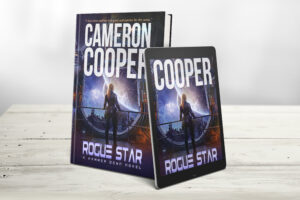 Danny Andela has spent decades being the person who spots trouble before everyone else. But what happens when no one believes her—and she can no longer entirely trust herself? ROGUE STAR, Book 2.0 of Hammer Down, is now available for preorder.
 - AI Can Write a Novel. Why Can’t It Fold My Laundry?
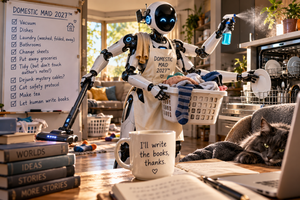 AI can write code, analyze images and even write novels. So why am I still folding laundry? Perhaps science fiction didn’t get the robot maid wrong—we just had to invent her brain first.
 - I Finished Rogue Star. Now What?
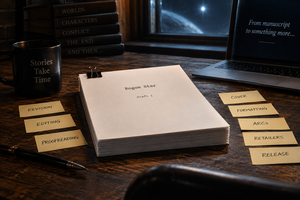 The first draft of Rogue Star is finished. But what actually happens between an author typing “The End” and a finished book landing in a reader’s hands? Quite a lot, as it turns out.
 - I Was a Geek, Not a Fan
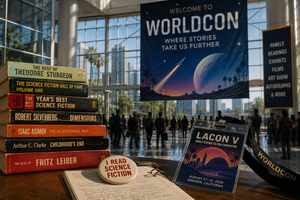 I grew up reading science fiction, not participating in fandom. With Worldcon about to begin, I’m looking at the fascinating, interconnected culture that exists beyond the books—and what first-time attendees might discover when they step inside it.